Showing posts with label Related to Religion. Show all posts
Tuesday, May 22, 2018
Ramadan Kareem !
Labels:
Related to Religion
Sunday, May 28, 2017
Monday, December 26, 2016
Sunday, July 24, 2016
Modest Fashion is Everywhere! But Where Are Its Roots?
When tracing the roots of modest fashion, it becomes clear that its history has been long lost and forgotten. From the early eighth century, which was dominated by the Islamic Empire, to the Ottoman Turks in the fourteenth century, modest clothing has been designed and worn by women from many different cultures and backgrounds. The definition of what was to be worn was not homogenous either, but had a varying degree.
The ‘modest’ woman however, should not be reduced down to her dress sense. The attire we choose to astonish and captivate the world’s heart with is merely one part of the identity. Modesty is a concept that delves into a long deep dialogue, with contrasting opinions and thoughts but nonetheless, we must not magnify our differences. After all, time has sequentially proved that the definition of modest clothing has adjusted, accordingly with social customs.
Saudi Arabia – Pre-Islamic Arabia
In pre-Islamic Arabia, women were already wearing long robes and shawls that would drape over the shoulders and ensured a loose effect.
Saudi Arabia – Abbasid Islamic Period
During the Abbasid Islamic Period in the eighth century, Muslim women continued the legacy of colorful clothing. Although, this was not too long after the emergence of the mystic and elegant black abaya appeared. It is the same black abaya that is symbolic and present in the Muslim world today. Yet this unraveling transformation has a story behind it.
Some time in the eighth century, in the kingdom of Saudi Arabia, a poor merchant began selling cloaks: one in every color. One day, the merchant ran out of his colorful cloaks and was left with only black ones that were not wanted by anyone.
He felt despair, but the merchant recalled that he had noble poet as a friend and decided to make a visit to ask for help. The poet then composed a poem that praised the beauty and blessings of the woman who was seen dressed in a ‘mysterious’ black garment, mentioning that black was the color worn by the rich and the noble.
The story ends there. Moments after the poem was written, women flocked to the cloak seller leaving him rich and the women leaving the shop feeling richer.
Ottoman Empire – Fourteenth Century
Dating back to fourteenth century, where the Ottoman Empire ruled the borders of the Mediterranean Sea, women’s clothing had an interesting, yet magnificent aura that would simultaneously convey elegance and royalty. The enatri, otherwise known as kaftan,was the primary garment of choice. It was worn with a gömlek (under tunic), a hirka (cardigan) , salvar (ankle-length trousers) and a ferace (overmantle).
As Aise Asli Sancar, a renowned writer on Ottoman women, once said that the Ottoman women are much more complex and multifaceted than usually portrayed. And indeed this is true. There is a plethora of knowledge to learn about the fashion that was prevalent during the reign of this empire.
Headdresses at the time of the Ottoman Empire were prevalent. The Seljuk women wore embroidered cloths on their heads, or were seen wearing a dazzling diadem dressed with a gem in the shape of a crop at the center of the forehead. A couple of centuries later, starting from the early seventeenth century, women’s headdresses began to transform into lighter caps, manifested by the hotoz, as shown below. But of course, like any other form of clothing, these headdresses were ornate and diversely unique.
Morocco
The modest kaftan style of women’s clothing was once the stamp of female attire in the arabesque world of Morocco. Its potent effect as a fashion statement and as an illustration of boldness and beauty is still alive in modern fashion, as we see young women across the globe wearing these long flowing robes and colorful headscarves. The influence of the kaftan has stretched far to reach even the high end fashion shows in recent times.
So, modest fashion has transformed through history, yet kept its primitive essence of elegance, length, and style. The root of it is what built the modest industry today. The trends and items that we are now exposed to, usually found online, have been influenced and shaped by what women wore far back in eighth century. Alas, it would be nice to see modest fashion having the larger scale influence that it deserves. Maybe one day we’ll live to see fashion week London, Milan, Paris, and New York implementing a separate runway dedicated to modest fashion!
*http://mvslim.com/modest-fashion-everywhere-roots/
Labels:
Related to Religion
Tuesday, June 7, 2016
The Right Way to Observe Ramadan...
The Ramadan fast is not easy. From sunrise to sunset, Muslims are not supposed to eat, drink or smoke, and abstain from sex. For hours, they dream about a sip of water or a bite of bread. Then comes the iftar, which means “breakfast,” but which is often a heavy dinner with family and friends. Then come a few hours of freedom from deprivation, until the sunrise, when the next day’s fast begins.
Muslims around the world observe this 1,400-year-old practice, from the deserts of the Arabian Peninsula, where it originated, to Scandinavia, where the latitude has forced some scholars to issue fatwas to accommodate the Quran’s prescription to fast from dawn until dusk.
But no matter where they are, Muslims should be able to fast according to the dictates of their conscience. Unfortunately, some authoritarian governments violate this fundamental freedom. Some ban the Ramadan fast, while others impose it.
The former problem is acute in China, especially in the northwestern region of Xinjiang, which is heavily populated by Uighurs, a Muslim people of Turkic origin. In the past few years, the Communist government there has forbidden civil servants, students and teachers to fast. The government has said it institutes the ban for health reasons and says that it faces threats from Muslim extremists. But the ban only makes Uighurs feel persecuted and alienated from their government, helping, if anything, the small strain of extremists among them who call for armed resistance.
On the other side of the authoritarian coin, various Muslim governments, from Saudi Arabia and Persian Gulf states to Iran and Pakistan, impose the Ramadan fast by law. Under these rules, eating or drinking in public during the holy month may mean deportation, a fine or even jail. In many other countries, even if fasting is not enforced by law it is compelled by social pressure. So people — both religious minorities and Muslims who choose not to fast — must appear as if they are fasting, even if they are not.
This religious authoritarianism is senseless and self-defeating. Fasting during Ramadan is an act of worship intended for God. It is meaningful only when it is driven by a genuine will to obey God’s commandments — not the laws of the state or the vigilantism of society. The latter does not nurture true piety, it only nurtures fakeness and hypocrisy. That is why the Quran says there should be “no compulsion in religion” — and no compulsion in fasting, either.
Moreover, according to Islamic jurisprudence, not everybody is supposed to fast. Non-Muslims are not obliged at all. Even among Muslims, the Quran exempts those “who are ill, or on a journey.” It even exempts those “who can fast only with extreme difficulty,” and tells them to feed a needy person instead. “God wants ease for you, not hardship,” the scripture says.
Yet many Muslims choose hardship. During Ramadan last year, more than a thousand people died in Pakistan from dehydration under extreme heat, despite calls from some more flexible clerics to cease fasting. Even those who did decide to give up the fast because they were in danger still could drink water only in private because of the social pressure they faced — a big problem for people who lived on the street.
Even the most rigid Muslim clerics accept that not everybody is obliged to fast during Ramadan. Yet many still support laws that ban public eating and drinking in order to respect the holy month and people who observe it. They should reconsider, though, whether they are really bringing any respect to Islam by imposing its practices. Would we Muslims feel respected if others imposed their proscriptions on us? Should Muslims in India be required to stop eating beef because it offends the sensibilities of Hindus, as a senior member of the country’s ruling Bharatiya Janata Party argued last year? Should the Uighurs respect the Chinese Communist Party’s distaste for “superstition,” and stop practicing their faith?
Respect is an admirable trait, but it cannot be imposed by law. It also should not be the basis for dictating the norms of a majority on minorities or individuals.
What is the ideal Muslim approach to Ramadan? My city, Istanbul, offers a good model. Here, we have no laws governing Ramadan. Many people decide to fast, many people decide not to fast. The latter can enjoy restaurants and cafes during the day, and some perhaps even enjoy bars at night, even though Islamic law prohibits alcohol. The pious, meanwhile, fast for the right reason: They are not forced to stay thirsty and hungry by the government. They freely decide to do so out of their sincere faith in God.
Labels:
Related to Religion
Monday, July 27, 2015
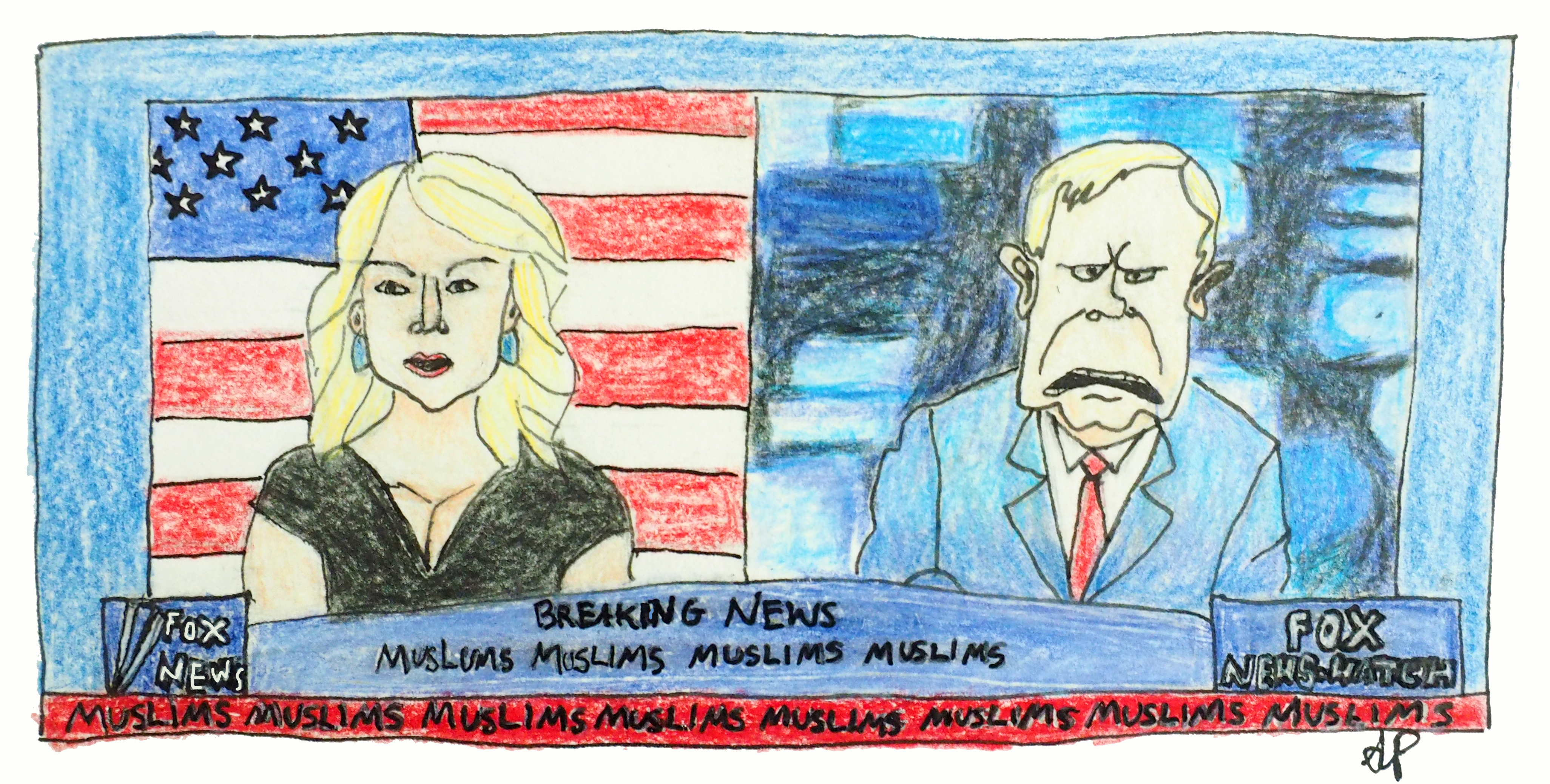
25 Things You CAN Blame Muslims for ...
In this latest addition to It’s Your Fault, The Cubit’s series on blame in contemporary society, RD senior correspondent Haroon Moghul offers some good things to blame all Muslims for.
The illustrations for this article come from the Illustration Class for high schoolers taught by Julie Zhu at the Sitka Fine Arts Camp, a nationally recognized fine arts camp in Sitka, Alaska. The opportunity allowed students a peek inside professional illustration, how to approach and research an idea taken from a rough draft, and then how to edit and prepare the illustration for publication while incorporating feedback from the editors of the Cubit.
For more on blame, read the introductory post or explore the full series.
Dear World,
On behalf of the world’s 1.7 billion Muslims, I’d like to say “You’re welcome.” Because if all Muslims are blamed for whatsome of us do, shouldn’t we all be commended for what any single one of us accomplishes?
I present below twenty-five very important things you probably can’t do without, for which thank you’s are in order. On behalf of the ummah—which I’ve just now appointed myself to, with no legitimacy except that far worse people have already done so—I will accept Amazon gift cards, rent-controlled apartments, gold-pressed latinum, or chai.
Sincerely,
Haroon Moghul
Grand Vizier of the Internets
With Authority To Speak On Behalf of the World’s 1.7 Billion Muslims
By His Majesty the Caliph Barack Obama
Haroon Moghul
Grand Vizier of the Internets
With Authority To Speak On Behalf of the World’s 1.7 Billion Muslims
By His Majesty the Caliph Barack Obama
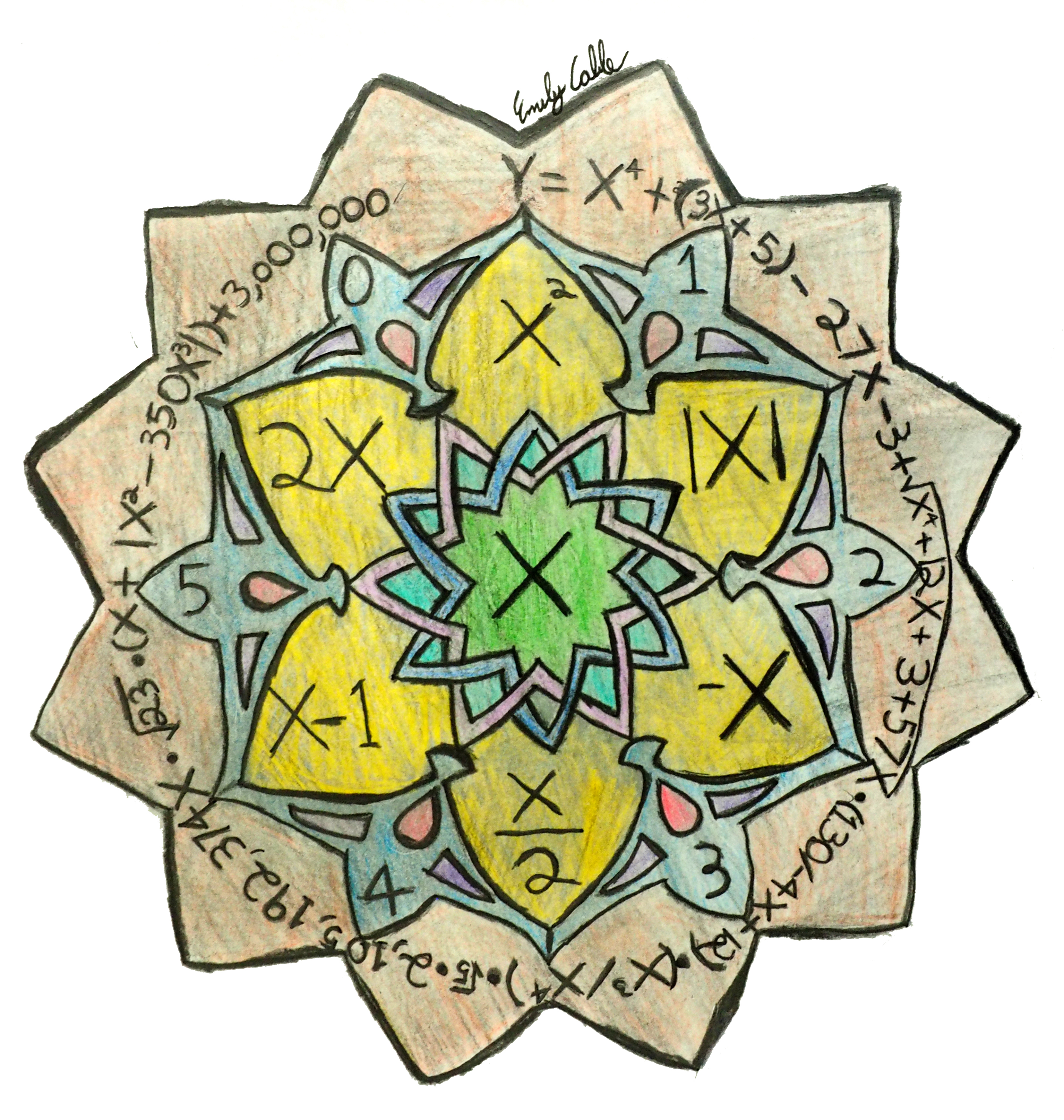
1. Nothing
That’s right. The first thing you can thank us for is nothing.
Hindu mathematicians may have come up with the zero, but Muslims built the vast trade networks through which concepts like the zero (and 1-9, too), spread to Europe.
This is why, in the Arab world, Arabic numbers are called ‘Indian numbers,’ and why, in the West, ‘Indian numbers’ are called ‘Arabic numbers.’ In India they’re just known as numbers.
No matter what they’re called, I think we can all agree they make life a lot easier.
2. Coffee
Muslims invented coffee, and coffee is a good thing, and no good thing ever dies. At best it goes cold.
In fact, one of the reasons coffee took off is because religious Muslims preferred the beverage for its ability to keep them awake, and therefore able to do more worshiping, studying, reading and writing.
Did you know that ‘Mocha’ is a city in Yemen, and ‘coffee’ is originally an Arabic word? (While we’re at it, so is ‘orange’: Muslims introduced oranges and other citrus fruits to Europe by way of Spain and Sicily.)
3. Pleasant Lightheadedness
Absent lemons and limes, what do you think your anti-bacterialized kitchen surfaces would smell like? Really. I’m curious. You know, for independent unpaid research.
4. Tim Hortons, Etc.
Sure, Muslims didn’t invent buildings, but we’ve historically put very important things in them, like coffee drinkers. The first cafes in the West trace their origin to the Muslim world, which, being the origin point for coffee, was also the origin point for the world’s first cafes.
Considering how many great ideas came out of coffeehouses, you’re welcome, but in light of how many grad students have wasted their potential on fruitless arguments in coffeehouses, we’re sorry. You’re going to want that free refill. Decaf, preferably, so you’re not up all night worrying about the disappearance of tenure and the surfeit of bad life choices you’ve made.
5. Algebra
For every time you’ve had to solve for x, a Muslim has duped you.
Algebra was refined by an 8th century Persian Muslim mathematician, al-Khwarizmi. The title of his principal book included the word ‘al-jabr,’ meaning restoring or reuniting; his Latinized name entered English as “algorithm.”
The equally accomplished American, Southern Baptist polymath Lindsey Graham, once joked that everything that starts with ‘al’ is bad news. Perhaps he had a bad experience with algebra. I mean, really, how many of us have not?
While Muslims benefited from and transmitted Hindu numeracy (as well as advances in mathematics generally), algebra is interesting for its use of abstract symbols in place of defined numbers, inverting a previous contribution.
There is no known relation between algebra and Algiers.
6. America
Yeah. Really.
Desperate to get past the Muslim-Chinese stranglehold on maritime world trade and the Muslim dominance of the Silk Road, Spain financed every cockamamie plan it could to get straight to the Indies, including the one proposed by Christopher Columbus. Most Europeans were pretty disappointed by America, despite its size. They had all wanted a passage to China and to India, not some new, allegedly empty continent.
But there’s more to it than that. Where did Catholic King Ferdinand and Queen Isabella get the funding for the Niña, the Pinta, and the Santa Maria? By defeating the Emirate of Granada, the last Muslim-ruled kingdom in Spain or Portugal. Which made for one other neat convergence: Though Columbus claimed he sighted land first, that honor in fact belonged Rodrigo de Triana, a descendant of the many Spanish Muslims who were allowed to stay in Spain on condition of converting to Catholicism.
Last but not least, the first country to recognize the U.S.A. was the Muslim Kingdom of Morocco, to which de Triana might’ve moved having failed to secure the bonus that was promised to the first to sight land.
7. New York City
Some Muslims and Jews were expelled from Catholic Spain as early as the 11th century—the lastdescendants of Muslims were driven out between 1609 and 1614—and some of these made common cause with a Spanish dependency, the Netherlands, which converted to Protestantism and likewise resented religious hegemony. (How the tables have turned.)
Protestant Dutch and North African Muslim pirates collaborated to harry Spanish and Portuguese ships, and eventually began to claim territory for themselves.
Without this collaboration, it’s possible the Dutch would’ve been unable to begin seizing Portuguese and Spanish colonies, and even establishing their own, though in the race for global power the Dutch were eventually surpassed by the French and the British. One of the most famous, if not the most famous, Dutch settlement is New York City, whose flag pays homage to Gotham’s Dutch origins.
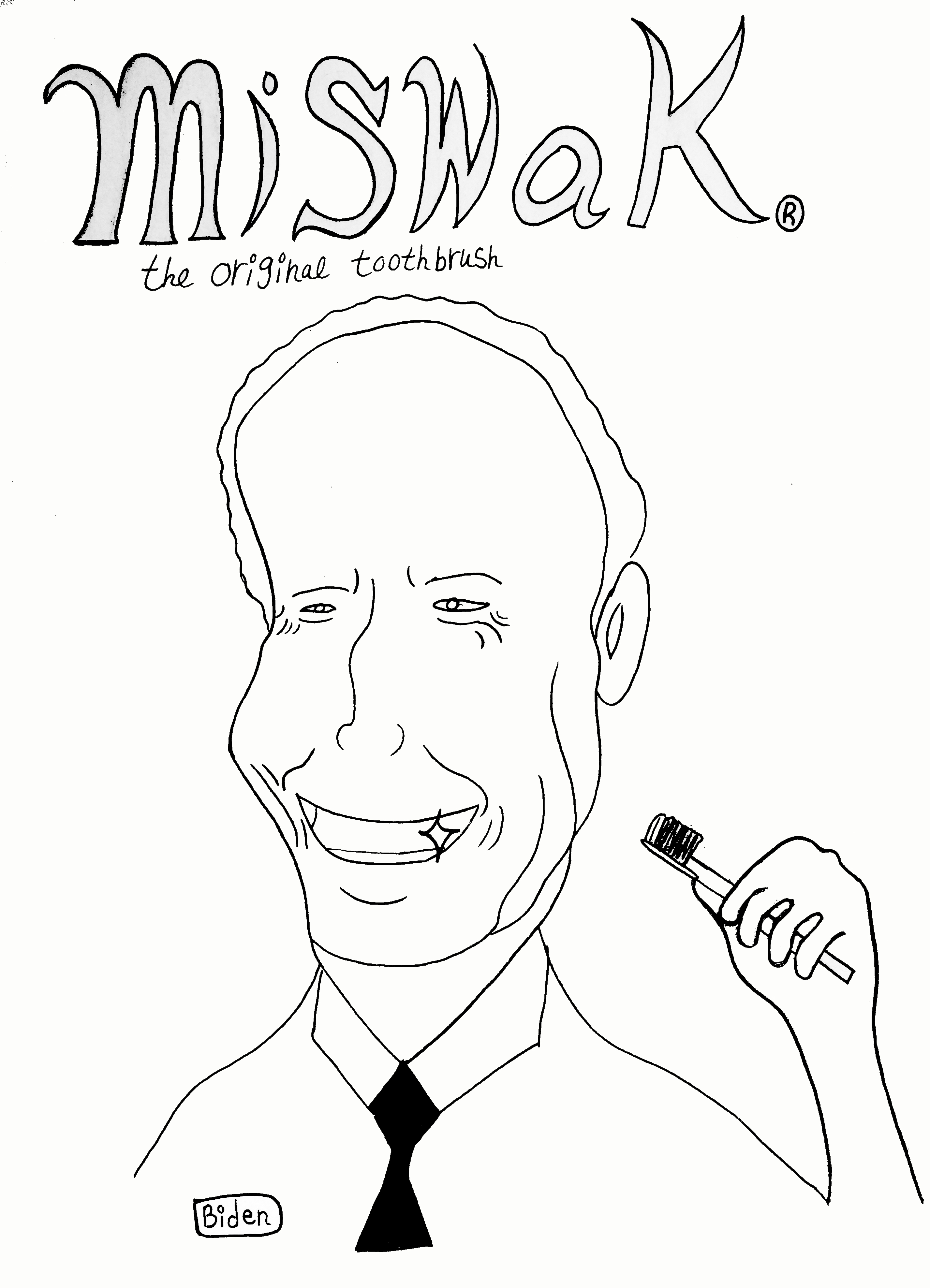
8. Joe Biden’s Career
Though we didn’t invent tooth whitener, we did popularize toothbrushes. ‘Chew sticks,’ called miswak, were favored by the Prophet Muhammad, who encouraged his followers to clean their teeth and rinse their mouths as often as five times a day, and especially after eating. Was Islam’s Prophet a dentist?
Somehow I don’t think that would help our image.
9. LaGuardia
Did you know that on landing at LGA, Joe Biden wondered if he were “in some third world country?” This was a huge mistake; the third world has much better airports than we do. Did you also know that, centuries before the Wright brothers or even Da Vinci, Abbas ibn Firnas invented a flying machine?
He was a Muslim from Spain, too.
10. Your Crushing Student Debt
The first degree-granting universities come from Muslim North Africa, and the oldest continuously operating university in the world today, al-Azhar (sorry, Sen. Graham), is in Cairo, Egypt. This history may be the reason on graduation day you look like an enemy combatant.
Much of the modern university, including the stages by which one attains to a doctorate, descend from Islamic antecedents and maintain Islamic influences.
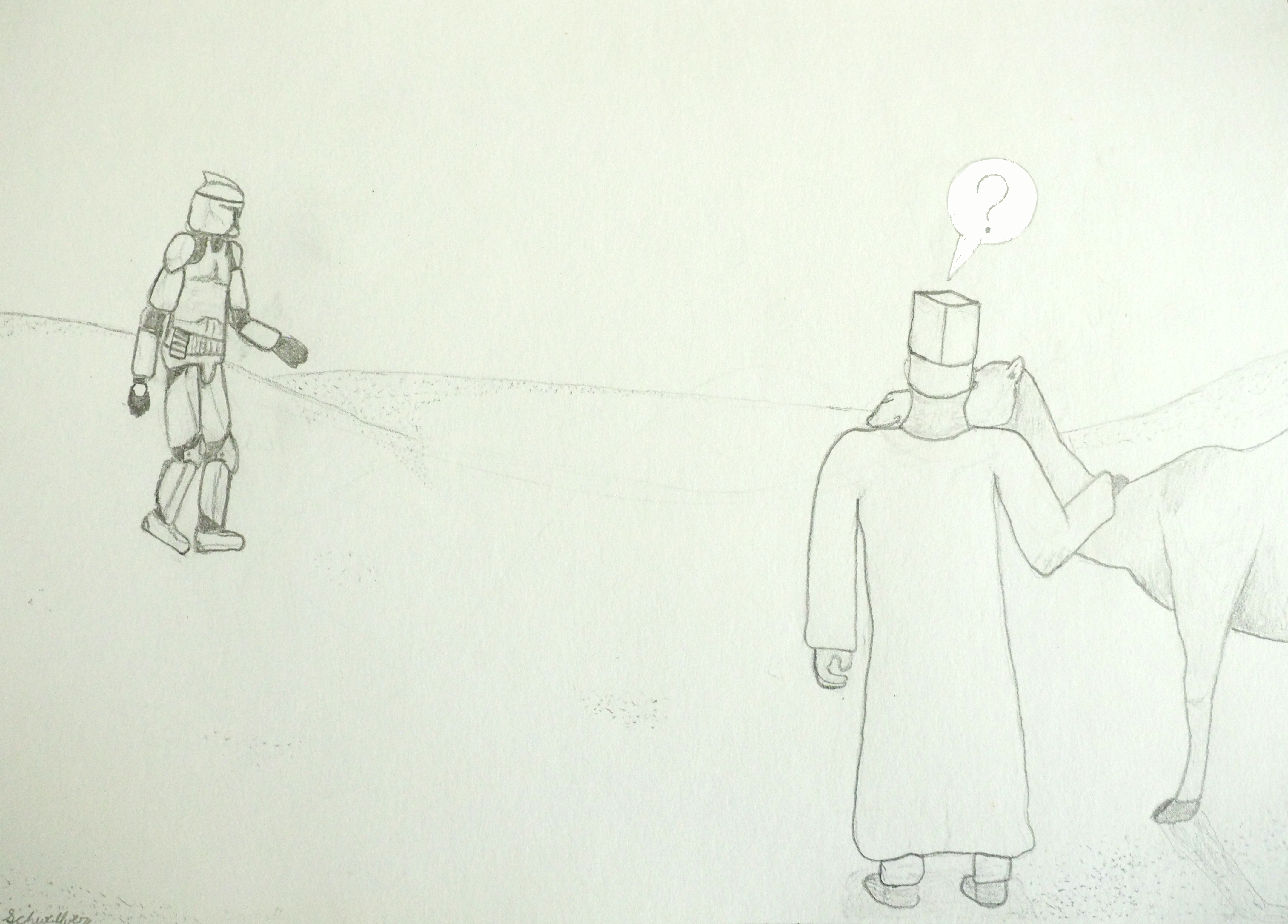
11. The Star Wars Prequels
Tattooine’s a real city, in Tunisia, which is a real country, in Africa, which is a real continent trying to become the country it is regularly confused for. Now you know why Jedis and Sith look that way—their robes are a reflection of North African culture.
The lightsaber, unfortunately, was not our idea.
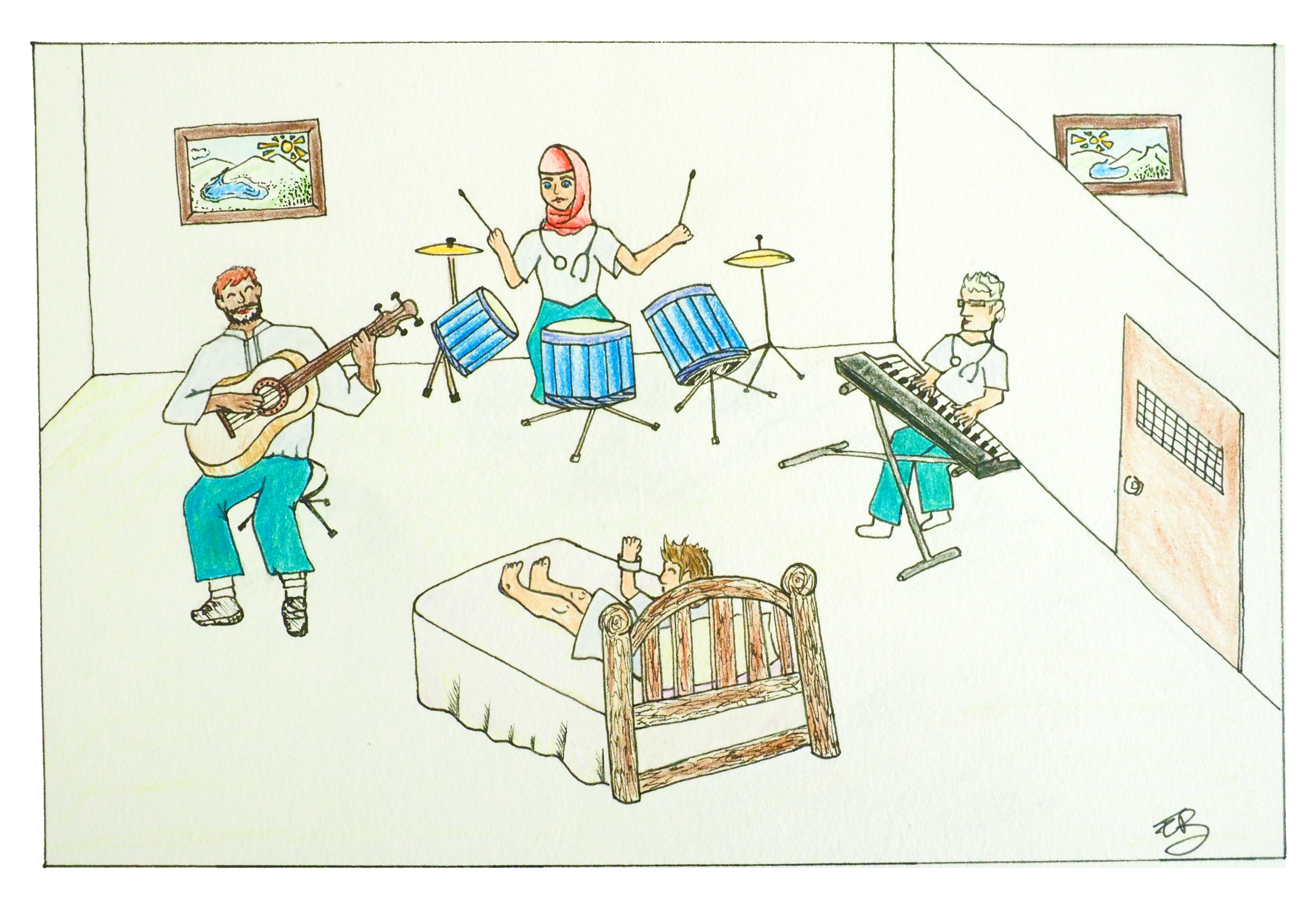
12. Hospitals
The first hospital was founded in Cairo, and Muslim hospitals once even included wards for patients with mental illness, and used innovative techniques like music therapy to improve moods and aid in recuperation.
13. Half of American Socialism
President Obama’s dad was a Muslim. So we get like 50% credit right?
14. Irony
The word for alcohol comes from Arabic, which is awesome since Muslims aren’t supposed to drink or sell alcohol. Or, rather, al-cohol, I should say. One possible reason an Arabic word is used to describe a beverage the majority of Arabs are not supposed to imbibe is that Muslim scientists made huge advances in chemistry and passed their terminology on to Europe.
15. The Most Expensive Housing in America
Anthony Janszoon (1607–1676) had a lot of money, so the Dutch wanted him to stay in New Amsterdam (see #7), but his half-Dutch, half-Spanish, full Muslimness meant he wasn’t interested in adhering to the churchy expectations of his new home. A compromise was reached: Janszoon set up shop a safe distance away, in the neighborhood now known as Gravesend, Brooklyn, and proceeded to make even more money, with his descendants numbering among some of America’s most prestigious families, including the Vanderbilts. Today Brooklyn has the most expensive house prices in America.
Anthony wasn’t the first Muslim in the Americas, but he was one of the first. And his dad was a pirate. What’s not to like?
16. Freedom
Hundreds of thousands of Muslims fought for the British and French against the Nazis and the Japanese in World War II. While Islamophobes love to bring up the embarrassing Palestinian Mufti al-Husseini as evidence of some kind of Muslim-Nazi alliance, they conveniently neglect the far, far, far greater number of Muslims who fought with the Allies despite being second-class citizens in their own countries.
Of course, the cost of defeating Nazi Germany broke the old European powers, and pretty much ended the Imperial Age, so #sorrynotsorry.
17. Employment
Islamophobia pays handsomely, as my colleague and co-conspirator Dean Obeidallah has discovered.
18. Paella
The Spanish staple finds its name from the Arabic ‘bawa’i,’ or remainders. Back from when most Spaniards spoke Arabic.
19. FOX News
Because what else would they talk about?
20. Band practice
The Ottomans invented military parades, and attached military bands (with drums over horns) to battle formations, to boost troop morale and freak out whoever was being attacked. They attacked often, which was not cool.
But pretty soon everyone who was anyone was doing it, and then it got lame, and people left Williamsburg and Crown Heights was the new thing, but even then the rents didn’t go down in Williamsburg.
21. The Battle of Helm’s Deep
Gimli blew the Horn of Helm Hammerhand to rally the Rohirrim, because drums were a more Muslim invention, and Tolkien intended for his legendarium to reflect a more authentically European Europe. Which, I suppose, just really means the only legitimate Europeans are the ones whose descendants would turn or be turned Christian, which suggests the fantasy novel is perhaps more science fiction than Tolkien realized. (See also #22 and #23.)
22. Old Glory
Don’t hate the player, hate the game. The East India Company was England’s answer to Spanish, Portuguese and Dutch seizure of predominantly Muslim trade through public-private partnership, but the East India Company did it that much better.
The East India Company’s flags, in turn, seem a likely influence on Old Glory.
23. History Itself
The founding father of modern sociology, and arguably of modern history, was Tunisian Renaissance man Ibn Khaldun. In addition to analyzing the rise and fall of civilizations, Ibn Khaldun was a scholar of religion and mysticism.
24. Religion
A Persian polymath attached to the marauding armies of Mahmud of Ghazni, al-Biruni was a deep, patient and brilliant student of Indian religion, society, geography and even geology. Nearly one thousand years ago he correctly argued, using fossil evidence, that parts of the Indian subcontinent were once under water. He still provides present-day Indianists with one of the most exhaustive and thorough surveys of pre-modern Hinduism. This book may also have been the first serious study of religion as a category, in the sense that we moderns would recognize.
25. Italian Food
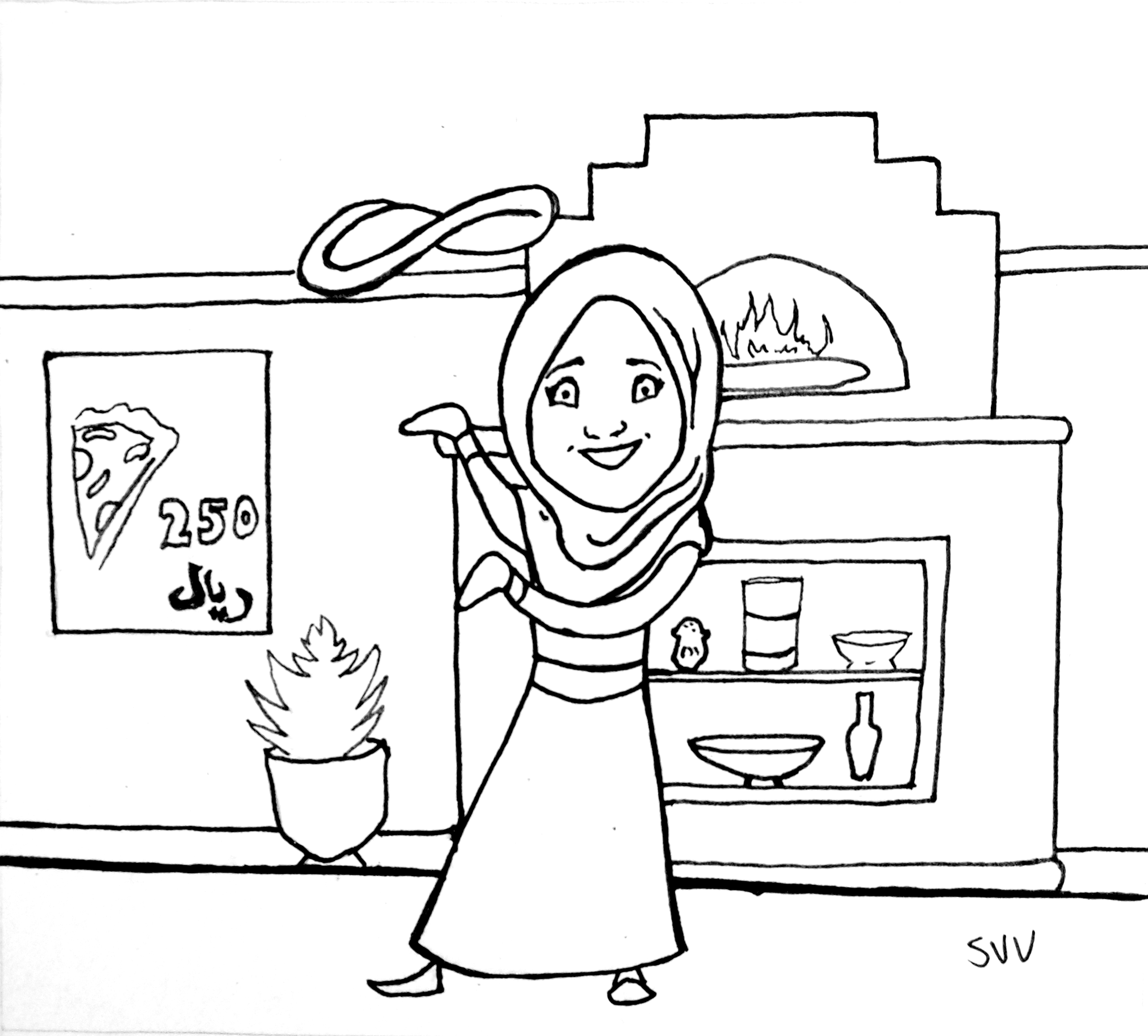
Muslims ruled Sicily, parts of southern Italy, and even Genoa, during the 7th, 8th and 9th century. In addition to eggplants, oranges, lemons, limes, and cotton, Muslims also introduced… pasta. Yeah, pasta. Bet you didn’t see that one coming.
Given the connection between pasta, pizza and sex, that’s a major You’re Welcome. I mean, can you imagine Italian food without pasta? Can you imagine America without Italian food?
Yes, Lindsey Graham, unfortunately it’s true. Even Al Capone was our fault. Or Al-Capone, at least, who may or may not have been the same person. We lost track of him after we sent him over.
*http://religiondispatches.org/25-things-you-can-blame-muslims-for/
Labels:
Further Than Fiction,
Related to Religion
Thursday, July 16, 2015
Eid Mubarak ...
Eid card published by Hafiz Qamruddin & Sons in Lahore, December 1934
Vintage Eid cards often had urdu poetry penned especially for the occasion.
"Eid greetings to my sympathisers,
Eid greetings to my friends,
Eid greetings to the lovers and the beloveds,
the drunks and the pious,
Eid greetings to all four of them today."
Labels:
Related to Religion
Thursday, June 18, 2015
Saturday, May 2, 2015
Surf's Up ...
Labels:
Related to Religion,
Women of the Desert
Thursday, March 19, 2015
Bilal The Movie ...
Labels:
Men of the Desert,
Related to Religion
Monday, February 16, 2015
Wednesday, February 4, 2015
Celebrating Sadeh...
Thousands of Zoroastrians across #Iran gathered earlier this week to celebrate the mid-winter festival of Sadeh, which marks 50 days and 50 nights since the winter solstice, and 50 days and 50 nights until the Nowruz festival that marks the beginning of spring.
In Tehran, Kerman, and other cities, thousands of worshipers and passerby gathered to celebrate the festival with bonfires, dancing and parades. For Zoroastrians, fire and water are both associated with ritual purity, and religious festivities are linked to the changing of the seasons. Many Iranian festivals widely celebrated in the country today, including Nowruz and Yalda, are originally Zoroastrian, and the Persian calendar is also based on the seasons as well.
Zoroastrianism is an ancient religion that was the state faith of a number of pre-Islamic Persian imperial dynasties. Today there are hundreds of thousands of Zoroastrian spread across the world, primarily in Iran, India, Central Asia, the UK, and the US.
Labels:
Related to Religion
Wednesday, December 31, 2014
Muslim Women's Bodies - The Hottest Property In 2014...
When it comes to Muslim women, it’s still all about what we wear – and the last 12 months only serves to confirm this sad state of affairs. What we say, our achievements, opinions and self-determination continue to be brushed aside. Even as women’s movements around the world continue to gather momentum, Muslim women’s looks, clothing and bodies continue ever forcefully to be policed. We continue to be reduced to one-dimensional voiceless images.
A striking photo of Malalai Kakar dressed in a powder blue Afghan burqa was hijacked by Britain First’s campaign to ‘Ban the Burqa’.
Kakar, a mother of six from southern Kandahar city, was the first female graduate of the regional police academy. She was Afghanistan’s first female police officer, a powerful symbol of what women can achieve in the face of brutal gender oppression.
Kakar was killed by the Taliban in 2008. When Kakar’s photographer saw the campaign this year she contacted Britain first to say this was not her legacy, if anything Kakar was a symbol of empowerment, and wearing the burka was something she chose to do. Kakar had said: "I am not forced to wear the chaudari [burqa], my husband or the police force does not require it. I want to wear it because it gives me advantages." Whatever we might think of Kakar’s choices, the important thing was that they were her choices, and what she wore did not define her achievements. Britain First, like so many public voices chose to silence her even in death. Furthermore, Australia’s Jacquie Lambie used the image and claimed – despite Kakar’s quote – that this strong woman would have supported the ban on the burqa.
Discrimination and hatred aimed at Muslim women for what they wear continues to be a real phenomenon and its effects can be fatal. When Nahid Almanea, a Saudi student who wore the hijab and who had come to the UK to study was stabbed to death in a park in Colchester, police reported that one possible motive may have been anti-Muslim hatred. As one lead the police were pursuing this seemed entirely reasonable. And yet still, certain parts of the media and political world were outraged: how dare the suggestion even be made that Muslim women experience hatred as a result of what they wear? This denial of reality is itself a form of oppression.
Metropolitan Police figures show that incidents of hate crime against Muslims rose from 344 to 570 in the year to October 2014, and women are key targets because of their identifiable Islamic dress.
A report based on data from the Office for National Statistics' Labour Force Survey,also found that Muslim women were up to 65 per cent less likely to be employed than their white Christian counterparts. The report author said this was likely to be because of "growing Islamophobia and hostility" towards Muslims, meaning employers are discouraged from hiring them.
Over the summer, in Belgium, a senior diplomat decided to rip a face veil off a woman who approached him to ask directions. The face veil is illegal in Belgium, but it seemed a senior official felt it was perfectly fine to physically assault a Muslim woman. I suspect this incident only made the news because she happened to be a Qatari princess.
In October in Paris, at La Traviata opera, the cast stopped mid performance when they saw a woman in a full-face veil. She happened to be a tourist from the Gulf on a visit to take in some French culture. They refused to carry on until she was removed from the theatre. Again, both these Muslim women were acting contrary to stereotype – one in Belgium happy to speak for herself to ask directions, and another enjoying Western high culture. However, their choices were reduced by others to nothing more than what they wear.
The war over how we Muslim women look continues within the Muslim world too. Happy British Muslims was a version of Pharrell Williams’Happy song featuring British Muslims, smiling, singing and dancing (see below). The women who took part were criticised in the Muslim community for their participation. In a similar video at the very end of 2013, a Muslim hipsters video (‘Mipsters’) from America showed Muslim women doing nothing more than striking a pose, hanging out and enjoying themselves, and they too came in for similar disapproval.
And who can forget the Saudi groom who announced at his wedding this year that he didn’t like the way his new bride looked and divorced her on the spot? I can’t and won’t.
Muslim women’s image continues to be a territory to be claimed by others.The Sun ran a front page image of a woman wearing a Union Jack hijab claiming we needed to all stand together. The campaign did not sit well with many in the Muslim community.
The paucity of stories about Muslim women’s achievements - where clothing is not the issue - is telling. When they do happen - often these women’s Muslim identity is conveniently omitted. Malala Yousafzai’s Nobel Peace Prize and achievements rarely focus on the fact that she does in fact cover her hair, wear modest clothing, and finds inspiration from her faith as a Muslim.
A similar tone of coverage ensued with Maryam Mirzakhani, the first female award-winner of the Fields Medal, a prestigious global mathematics prize.
Sometimes the only way to reclaim ownership of our image, is to define our image ourselves. No wonder young Muslim women around the world are fuelling the growth of the Muslim fashion industry. Thomson Reuters this year estimated the value of this sector at over $200 billion. It combines faith, fashion and identity. Some people simply assert it is a contradiction in terms, yet as Muslim women assert this is their form of self expression; a feminist statement for many.
Despite all this - I do see some glimmers of hope. This year we met Kamala Khan, the Muslim American female superhero created by Marvel Comics. To commemorate the war, the Post Office released a stamp featuring Noor Inayat Khan, a British Muslim woman who worked as a spy for the British to fight the Nazis in Paris and who eventually killed her. And social media continued to play a powerful role in removing barriers to Muslim women’s self expression. The hashtag#AsaMuslimWoman brought humour and insight to understanding Muslim women through our own voices.
However, the brightest moment of 2014 came from one of the darkest: the hostages held in a Sydney café. On the train a woman saw a Muslim hijab wearer removing her headscarf out of fear of being attacked after the hostage incident. She tweeted that the woman should not remove her headscarf – kickstarting the heartwarming hashtag: 'I’ll ride with you'.This statement of solidarity with Muslim women to express freely who they are and be seen as human beings, not pieces of clothing went viral. #AsAMuslimWoman more of this kind of solidarity is exactly what I hope for in 2015
http://www.telegraph.co.uk/women/womens-life/11312549/Muslim-womens-bodies-the-sexiest-property-in-2014.html
Labels:
Related to Religion
Thursday, December 25, 2014
Christmas Cards From War...
Palestinian Samih Vadi disguises himself as Santa Claus and hands out toys to the
Palestinian children among the debris of buildings destroyed by Israeli army, in
Shujaiyya district of Gaza City, Gaza, Dec. 23, 2014.
A Palestinian child examines a peace sign made of used tear gas cartridges and grenades on display in Manger Square, Bethlehem as part of an activist art ...
Palestinian activists have decorated a Christmas tree with leftover Israeli tear gas canisters and stun grenades in the occupied West Bank city of Bethlehem.
The Christmas Card From War
www.petercliffordonline.com/syria-news
Labels:
Related to Religion
Monday, November 3, 2014
Today is Ashura!
Photo by AFP
May all these Yazids, literal and metaphorical, be upended on this and every Ashura, so that we can realize the daily relevance of the teachings of a beautiful and meaningful Islam. May we do more than merely shed tears. May we rise, majestically, to embody the spirit of revolution, in countering tyranny and oppression. - Omid Safi
*http://archives.religionnews.com/blogs/omid-safi/blood-of-the-innocents-martyrdom-of-the-prophets-family-then-and-now#sthash.fwPGbmBQ.MURLsWzi.dpuf
Labels:
Related to Religion
Tuesday, October 14, 2014
From Gaga to Malala: Muslim Women as Stereotypes and Exceptions
Editor’s note: Malala Yousafzai has been extensively covered in media lately, and several MMW writers wanted to weigh in on the way she is being portrayed. Today’s post is by Amina; stay tuned for reflections from Nicole and Eren later this week.
As Elba writes:
“The heavily erotic images ultimately dehumanize and degrade burqa-wearing women and turn them into animalistic beings. In a society that automatically associates the burqa with Muslim women and Middle Eastern culture, a song like this only adds onto the monolithic image of the Muslim woman being quiet, sheltered, and owned by a man.”
With her recent American tour, internet campaign to award her the Nobel Peace Prize, and alright media bonanza, stories about Malala embed a similar rhetoric. The mainstream media has largely personified her an exception, rather than the rule; as if with her courage, bluntness, and conviction, she is unlike most Muslim women. Omid Safi’s post, “How to Keep Malala from Being Appropriated” makes a great case for the need to avoid an “exceptionalizing narrative.”
Don’t get me wrong. Malala is indeed incredible. But the media discourse about Malala often insinuates that her commitments to women’s education are derived from Western influences and values juxtaposed, again, against the backdrop of stereotypes that characterize Muslim women as downtrodden and dreaming to be saved by the white knight in shining armour.
Her boldness seems acceptable largely because of that narrative. The reactions to other “brazen” Muslim women aren’t nearly as warm. When the Boston bombing suspects were named, Zubeidat Tsarnaeva, the mother of the suspects, came immediately and fiercely to their defence. Zubeidat was rarely grieving, somber or apologetic in the media glare. Instead, she remained consistently defiant and insistent of her sons’ innocence. The media reactions to Zubeidat were almost instantly vicious, labelling her a terrorist and questioning the “extreme” nature of her religious views. If she were less outspoken, more apologetic, and weakly sobbing behind a microphone, Zubeidat would have better fit social expectations of a grieving mother and of Muslim women, in general.
Then, there are the stories that rarely make a ripple on the Western media circuit – like the “Speed Sisters,” a group of female Palestinian street racers that draw crowds along the roads of Ramallah. And the Saudi women who embrace regular acts of civil disobedience and challenge their social status quo by driving. And the Sudanese women who recently staged a silent protest demanding female detainees be released. I’m grateful for Anneke’s weekly Friday Links because her posts generally host links to healthy counternarratives of Muslim women, in contrast to the typical stuff we read about in the mainstream media.
As I establish my professional career, I’m cognizant that I stand on the shoulders of giants, that my values, passions, and drives come from brilliant, fierce Muslim women: my unapologetic Nani, my strong-as-steel mother, countless activists, and brilliant academics. Yes, I am a Canadian woman. But my opinions on education, independence, empowerment, and self-sufficiency are heavily borne from my cultural and religious influences as a Muslim woman and the two aren’t mutually exclusive. While the Muslimahs I know are exceptional, they are by no means the exception. If the mainstream, Western media ever intends to genuinely engage with Muslim women, then it’s seriously time to acknowledge the depth and breadth inherent to Muslimahs.
Labels:
Related to Religion
Subscribe to:
Posts (Atom)